

Sleep Disruption and Recovery Cycles: When Rest Stops Restoring
Sleep is often assumed to be a passive state—a period of inactivity where the body simply pauses before resuming its daily functions. In reality, sleep is one of the most active and essential processes within the human system, during which the body undergoes structured cycles of repair, regulation, and restoration. These cycles are carefully balanced, allowing physical recovery, cognitive processing, and emotional stabilization to occur in a synchronized manner. When sleep is consistent and uninterrupted, this system operates quietly and efficiently, often going unnoticed. However, when disruption begins to interfere with these cycles, the impact is rarely immediate or dramatic. Instead, it unfolds gradually, altering the quality of rest in ways that are subtle yet deeply significant.
Many individuals continue to maintain regular sleep durations while experiencing a decline in sleep quality, leading to a condition where rest no longer produces the expected sense of recovery. This disconnect between duration and effectiveness creates a misleading perception that adequate rest is being achieved, when in fact the internal recovery processes are being compromised. AdvancedMedicineNetwork approaches this condition through a structured framework, recognizing that sleep disruption is not defined solely by the number of hours slept, but by the integrity and continuity of the cycles that occur within that time.
The Structure of Sleep Cycles
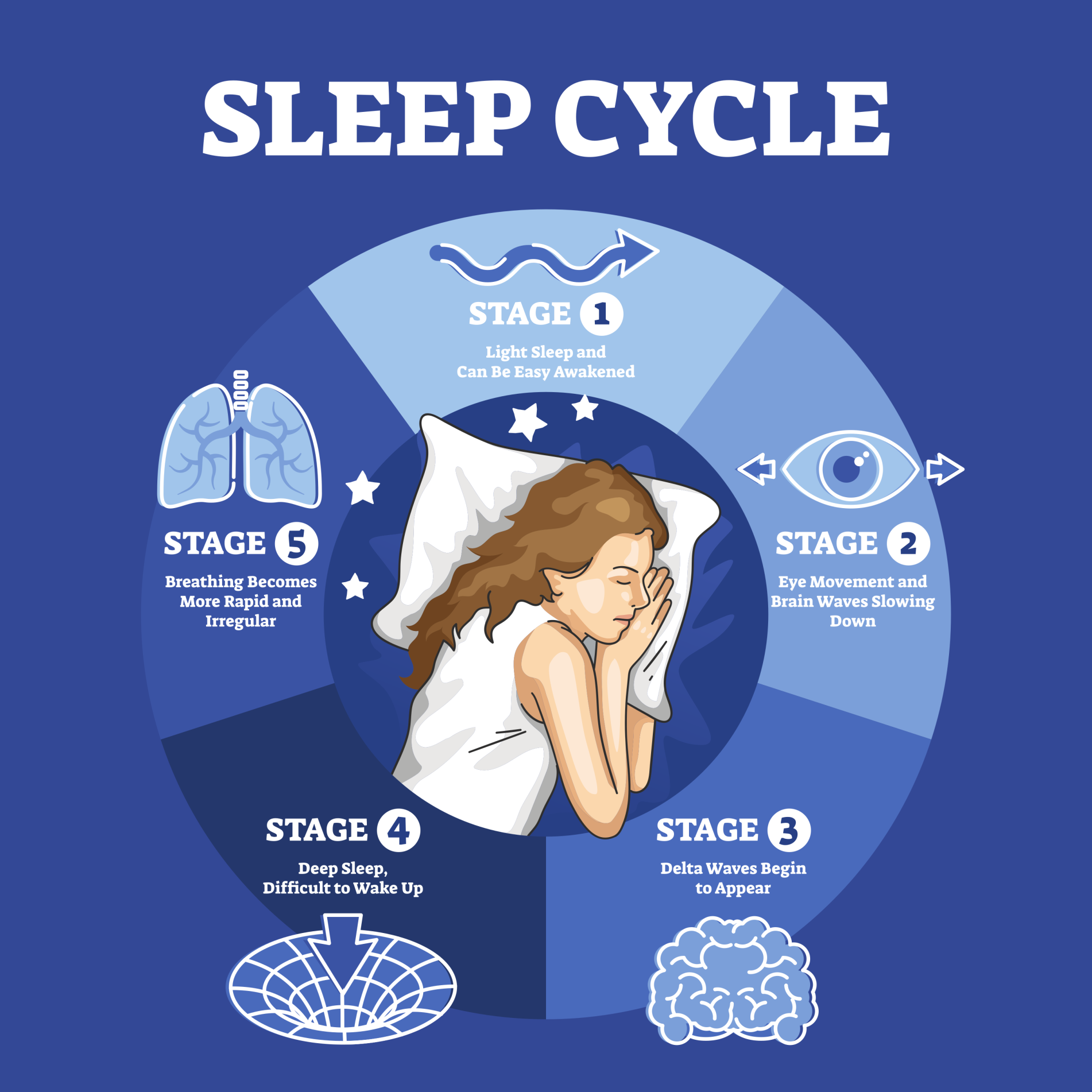
Sleep is composed of multiple stages that repeat in cycles throughout the night, each serving a distinct and essential function. These stages transition between lighter and deeper phases, allowing the body to gradually enter states of physical repair and neurological processing. The deeper stages are particularly critical, as they support tissue recovery, immune function, and the consolidation of memory. When these cycles are uninterrupted, the system moves smoothly from one stage to the next, maintaining a rhythm that supports overall stability.
Disruption within this structure does not necessarily eliminate sleep, but it interferes with the progression between stages. Even brief interruptions, irregular patterns, or inconsistencies in timing can prevent the system from reaching the deeper phases required for full recovery. Over time, this results in a form of rest that is incomplete, where the body appears to have slept, yet has not fully restored itself.
Rest is not measured by time alone—it is defined by how completely the body is able to recover within it.
Recognizing Subtle Disruptions
Sleep disruption often manifests in ways that are easy to overlook, particularly when daily routines remain unaffected. Individuals may experience slight grogginess upon waking, a gradual decline in daytime focus, or a persistent sense of low energy that does not appear severe enough to warrant concern. These signals are frequently attributed to external factors such as workload or stress, rather than being recognized as indicators of compromised sleep quality.
The challenge lies in the gradual nature of these changes. Because they develop over time, they become normalized, making it difficult to identify when sleep has shifted from restorative to insufficient. A structured system helps in identifying these patterns by focusing on consistency and progression, allowing subtle disruptions to be observed before they evolve into more significant concerns.
The Disconnect Between Sleep and Recovery
One of the most significant aspects of sleep disruption is the disconnect it creates between rest and recovery. Individuals may spend sufficient time in bed and maintain a regular schedule, yet continue to feel fatigued or mentally unclear. This condition reflects a breakdown in the effectiveness of sleep, where the presence of rest does not guarantee its function.
This disconnect can lead to repeated attempts to compensate by increasing sleep duration, without addressing the underlying issue of disrupted cycles. As a result, the problem persists, creating a cycle where more time is spent resting, yet less recovery is achieved. Understanding this distinction is essential in shifting focus from quantity to quality.
Restoring Balance Through Structured Awareness
Addressing sleep disruption requires more than simply adjusting routines; it requires an understanding of how sleep functions as a system. By observing patterns, identifying inconsistencies, and recognizing the relationship between sleep and daytime performance, individuals can begin to restore balance in a controlled and informed manner.
A system-driven approach ensures that these observations are not isolated, but integrated into a continuous process where each insight contributes to a clearer understanding of sleep behavior. This allows for more precise adjustments, ensuring that recovery is not left to chance but guided through structured awareness.
Conclusion
Sleep disruption is not always defined by the absence of rest, but by the absence of effective recovery within that rest. Its gradual nature makes it difficult to identify, yet its impact extends across physical, cognitive, and emotional domains. By shifting focus from duration to quality, individuals can begin to understand the deeper mechanics of sleep and its role in maintaining overall stability.
AdvancedMedicineNetwork emphasizes this structured perspective, transforming sleep from a passive routine into an actively monitored process. Through guided awareness and continuous evaluation, the platform ensures that rest fulfills its intended purpose—restoring the body and mind with clarity, consistency, and precision.
Leave a Reply